




19.10.2025
Social Media Management Cost Miami: 2025 Pricing Guide for Restaurants, Hotels & Lifestyle Brands
Miami is one of the most competitive, visually driven, multilingual markets in the country. Getting social right here means pairing striking creative with real cultural fluency and measurable performance. If you’re researching social media management cost Miami while juggling strategy, platforms, and bilingual execution, this lays out what actually matters, what to budget, and how to pick the right partner—without the fluff.
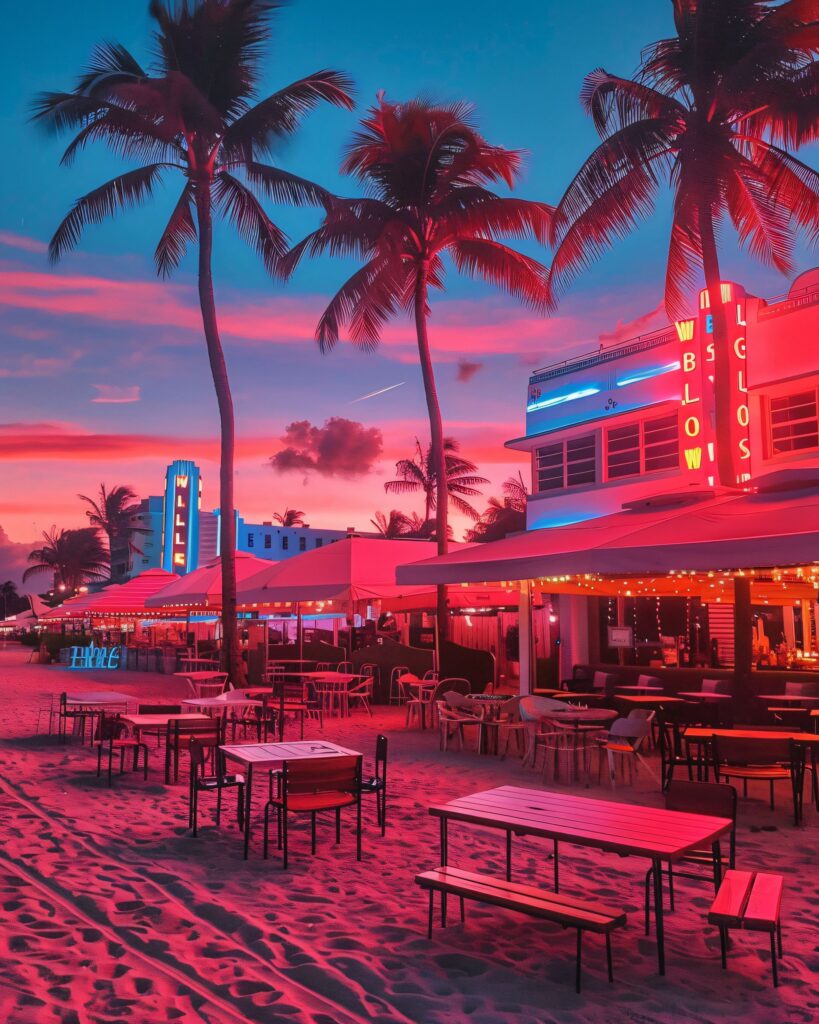
 Always separate “how much to spend on social media marketing” for fees vs. media so you can see what each is returning.
Choosing a Miami social media agency—FAQs, timelines, KPIs, bilingual checks
Always separate “how much to spend on social media marketing” for fees vs. media so you can see what each is returning.
Choosing a Miami social media agency—FAQs, timelines, KPIs, bilingual checks
What social media management really means here (and how it shifts for restaurants, hotels, and lifestyle brands)
At its core, social media management is the ongoing, strategic work of planning, producing, publishing, and optimizing content across Instagram, TikTok, Facebook—plus community engagement and performance analysis. In Miami, you’re working with two truths: lots of tourists and a multilingual local audience where more than 70% of residents speak a language other than English at home. That changes voice, visuals, timing, targeting. Pretty much everything. Restaurants move fast. Think tight, craveable visuals and experiential hooks—dish close-ups, kitchen moments, limited-time drops, reservation prompts that hit both locals and visitors near South Beach, Brickell, Wynwood, and beyond. TikTok and Reels drive discovery. Stories carry promos, daily specials, and UGC. Quick replies to comments and DMs turn curiosity into covers. Hotels sell the experience as much as the room. Content blends aspirational visuals, neighborhood tips, guest moments, and itinerary ideas. Add influencer stays and ads aimed at feeder cities and high-intent travelers. Timelines match booking windows. KPIs map to site traffic, booking inquiries, revenue attribution, not just likes. Lifestyle brands—fashion, wellness, beauty—lean hard into community and culture. Product shown in real Miami life, local style in the mix, social proof from creators. Drops, waitlists, live shopping features. Instagram and TikTok carry the weight, and analytics tie engagement to add-to-cart and repeat purchase. Across the board, professional management means a consistent brand voice, data-informed posting schedules, trend-aware creative, comment moderation, and monthly reporting that ties content to business outcomes. Not just reports for the sake of reports. How bilingual English–Spanish, and Haitian Creole when needed, strategy actually works—copy, geo-targeted ads, platforms Bilingual in Miami isn’t translation. It’s transcreation. You reshape the message so it lands with the same intent, tone, and emotional pull in English and Spanish—and, when relevant, Haitian Creole. Nuance is everything. Idioms, humor, slang shift across Cuban, Venezuelan, Colombian, Puerto Rican, and Dominican communities. Get it wrong and it feels off. A simple example: an English caption like “Pull up for happy hour” may work fine for a younger Brickell crowd, but a direct Spanish translation can sound awkward or too literal. A better Spanish version might focus on the actual occasion—after-work drinks, friends, music, the neighborhood vibe—using phrasing that feels natural to the audience. Same offer, different cultural route. That’s the difference. Content starts from one brief, but diverges at the copy stage to respect cultural cues. Captions, CTAs, on-screen text: built natively for each language. Same with subtitles on Reels and TikTok. Community management answers in the commenter’s language, and saved replies exist in both English and Spanish. On the media side, geo-targeted ads use neighborhoods, interest clusters, and language settings to deliver the right creative version. Dynamic creative optimization can rotate bilingual assets and let the best variant win per audience. Platform mix often skews Instagram and TikTok for hospitality and lifestyle, while Facebook still works for events, local service providers, and retargeting. For Spanish-first audiences, creative often benefits from clearer value props and community references; English-first can lean into trend cues and FOMO. Serving Haitian Creole speakers—especially in specific neighborhoods or community-facing services—means native copywriting for cultural authenticity. No shortcuts here.
What Miami-focused social actually delivers—visual storytelling, UGC, local SEO, influencers
Miami was built for visual storytelling. High-quality photo and video drive attention, saves, shares—especially when you catch the city’s light, colors, energy. Restaurants, hotels, lifestyle brands all win with UGC that shows real experiences. Encourage guests to tag you, then curate those moments. Social proof converts. Local SEO and social reinforce each other. Clean NAP details, location tags, neighborhood hashtags, Google Business Profile updates—these bump local discovery. Posts that reference nearby landmarks and events help relevance for geo-intent searches. Paid ads layer on location targeting and interest filters to reach people in South Florida who are actively hunting for what you offer. Influencer partnerships do best when audience fit and neighborhood relevance are real. A boutique hotel in Wynwood, a South Beach restaurant with a chef story, a wellness brand with Latin American heritage—pair them with creators who already speak to that community. Strong agencies lock down clear deliverables, usage rights, and whitelisting so influencer content fuels organic and paid. For example, a small restaurant might see its best lift from a short creator dinner, a few Reels edited from the night, and retargeting ads to people who watched the videos. A hotel may get more value from one strong neighborhood itinerary series, then turning that content into ads for travelers in New York, Chicago, Atlanta, or Latin American feeder markets. The point is not “do influencers.” It’s use the content in a way that matches the business goal.Limits and myths worth clearing up: no instant virality, real budgets, and why translation falls short
Social success is cumulative. Expect a 60–90 day foundation phase to set strategy, creative direction, and community cadence. Momentum usually builds in 3–6 months as creative gets tested, audiences mature, and paid and organic start reinforcing each other. Instant virality? Unpredictable. Not a plan. Budget matters in a competitive city. Quality content needs professional production and editing; reach increasingly needs paid support. Treat social like a minimal expense and you’ll usually get minimal results. Even with an agency, owners should stay engaged—approve content, share insider stories, align on promos. Collaboration drives outcomes. The costly myth: bilingual equals translation. Machine tools flatten voice, miss idioms, and sometimes create offensive phrasing. Authentic bilingual content uses native speakers and transcreation—same idea, rewritten for cultural fit. And posting more isn’t posting better. A smaller stream of high-quality, relevant content beats a flood of average, every time.What it costs per month in Miami—and what drives the price
Social media agency pricing Miami varies because scopes vary. In 2025, comprehensive social media packages Miami often range about $1,500 to $5,000+ per month for small to mid-sized businesses. Larger hospitality and multi-location brands commonly invest $6,000 to $10,000+ monthly. That’s the Miami social media manager cost for professional management, not including ad spend.What moves cost?
- Number of platforms: Managing Instagram, TikTok, and Facebook together takes more resources than one channel. - Content volume and complexity: Regular video shoots, Reels/TikTok edits, motion graphics, on-site photography push investment up. - Bilingual production: Adds copywriting, editing, and community management time to serve each language natively. - Paid media management: Agencies charge a flat fee or a percentage of ad spend to handle setup, creative, targeting, optimization. If you’re managing $2,000 to $15,000+ in monthly spend—common in hospitality and e-commerce—add management fees accordingly. - Influencer coordination, UGC curation, whitelisting: Expands scope but can drive strong social media ROI hospitality when tracked correctly. - Reporting depth: Simple dashboards cost less; detailed analyses that tie content to bookings, leads, revenue, and ROI cost more. - Local SEO support baked in—Google Business Profile updates, review response, search-friendly content—raises price but integrates your Miami digital marketing agency cost into one stack.Rule-of-thumb planning examples:
- New South Beach restaurant aiming for steady growth: around $2,000–$3,500 per month for core management, plus $1,500–$5,000 in monthly ad spend for reach and reservations. - Small independent restaurant with one location: often starts with fewer platforms, lighter shoot days, basic community management, and monthly reporting. That may sit closer to the lower-middle range. - Multi-location restaurant group: usually needs more frequent content, location-specific promos, bilingual community management, paid media by location, and stronger reporting. That can push the scope into $6,000–$10,000+ monthly before ad spend. - Boutique hotel in Wynwood targeting strong shoulder-season bookings, premium content, and influencer work: $6,000–$10,000+ monthly, with ad budgets scaled to occupancy goals.
Always separate “how much to spend on social media marketing” for fees vs. media so you can see what each is returning.
Choosing a Miami social media agency—FAQs, timelines, KPIs, bilingual checks
What should I look for in a social media agency Miami?
- Industry proof. Case studies in restaurants, hotels, or lifestyle with before-and-after metrics and high-quality creative. - Transparent reporting, clear scopes, local market fluency. - If bilingual social media management Miami is required, confirm native Spanish speakers and a cultural QA process—not just translation. - A practical workflow. You should know how content gets approved, how fast comments are handled, and how performance is reviewed.How fast will I see results?
- Foundational progress in 60–90 days: audience growth, stronger engagement, better content-market fit. - Business outcomes—reservations, bookings, qualified leads—tend to compound in 3–6 months, faster with paid support and seasonal alignment.Which KPIs matter?
- Top-of-funnel: reach, views, profile growth. - Mid-funnel: engagement rate, saves, click-through. - Bottom-funnel: website sessions from social, conversion rate, cost per lead or booking, revenue attributed. - For Instagram management Miami and TikTok marketing Miami: average watch time, completion rate, hook retention in the first 3 seconds. - For hospitality: reservation system traffic and booking value tied to campaigns.What tools should a professional agency use?
You don’t need to obsess over the tool stack, but a serious team should have systems for scheduling, analytics, ad management, reporting, and social listening. That might include native platform analytics, Meta Ads Manager, TikTok Ads Manager, Google Analytics, Looker Studio dashboards, or tools like Sprout Social, Later, Hootsuite, or Metricool. The tool matters less than whether the agency can explain what the data means and what they’re changing because of it.Is bilingual truly necessary?
If you want full market penetration—locals and tourists from Latin America—it’s essential. Bilingual content expands reach, builds trust, and boosts engagement among Spanish-first audiences. When relevant, Haitian Creole support expands community impact.Can I just use Google Translate?
No. It misses tone and nuance, risks embarrassing errors, and undercuts credibility. Insist on native writers and editors.What are credible bilingual checkpoints?
- Native Spanish strategists and copywriters who can show side-by-side transcreation examples. - A defined QA process so captions, on-screen text, and replies match each language’s norms. - Bilingual ad testing protocols comparing performance by language, neighborhood, and audience segment.Final thought
Miami rewards brands that invest in visuals, culture, and consistency. If you’re weighing social media agency prices, ask for a custom scope tied to your goals, a clear plan for bilingual execution, and reporting that proves what your spend returns. Whether you’re launching a South Beach restaurant, running a Wynwood boutique hotel, or scaling a lifestyle brand, a well-run social program—strong creative, local insight, steady optimization—turns attention into reservations, bookings, and sales. If you want a no-pressure audit or a 2025 pricing outline tailored to your platforms and goals, start with a conversation that reviews your current content, audience, and competitive landscape.ReadMore
25.06.2026
Bilingual Social Media Marketing Miami: Why English & Spanish Content Drives Better Results
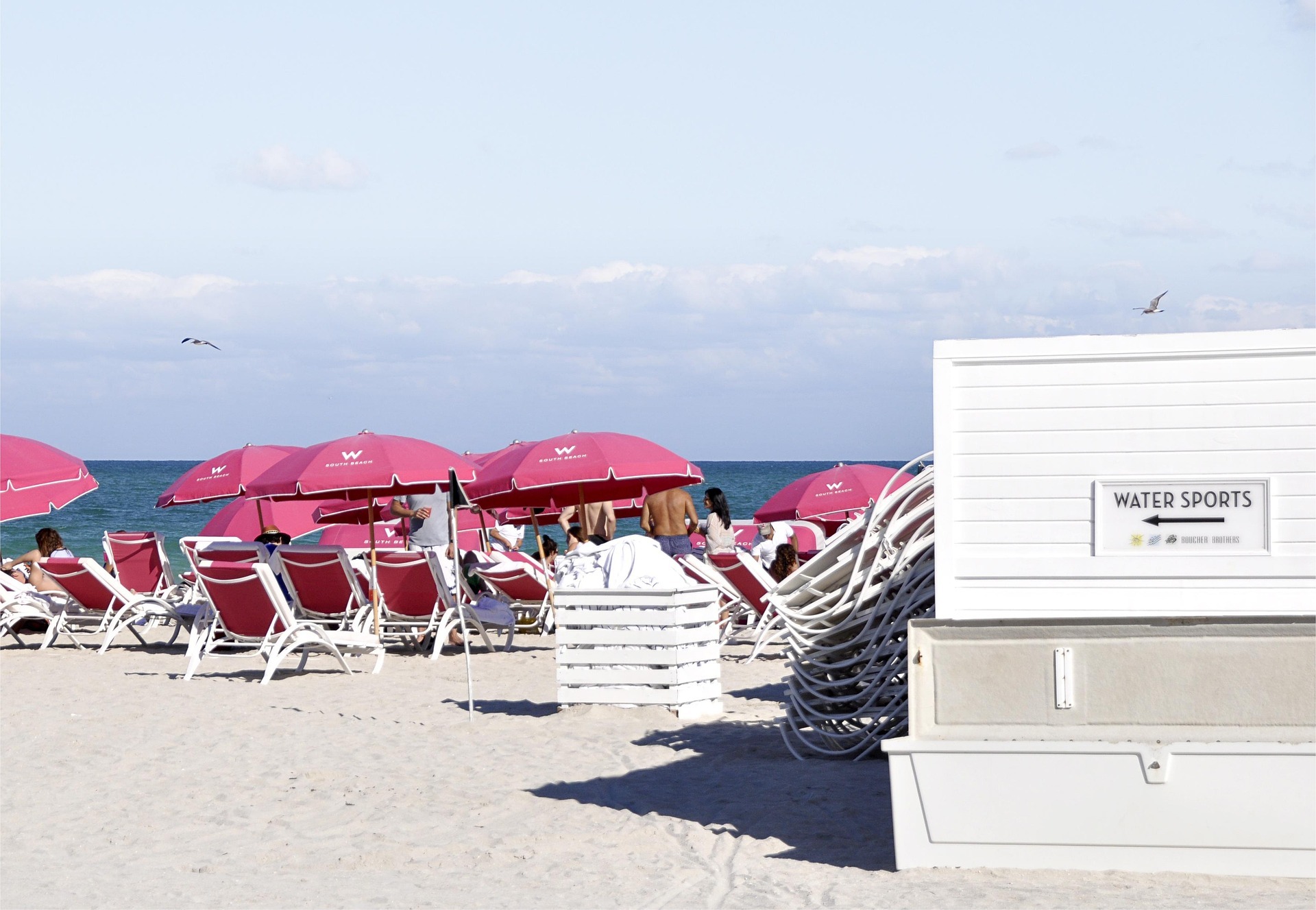
Bilingual English–Spanish social media content isn’t just “translate and post.” It’s building posts, stories, videos, and ads that feel native in both languages—tone, references, even the call to action. In Miami-Dade, that’s not a nice-to-have. It’s the cost of entry.…
02.09.2026
Bilingual social media strategy for Miami hospitality
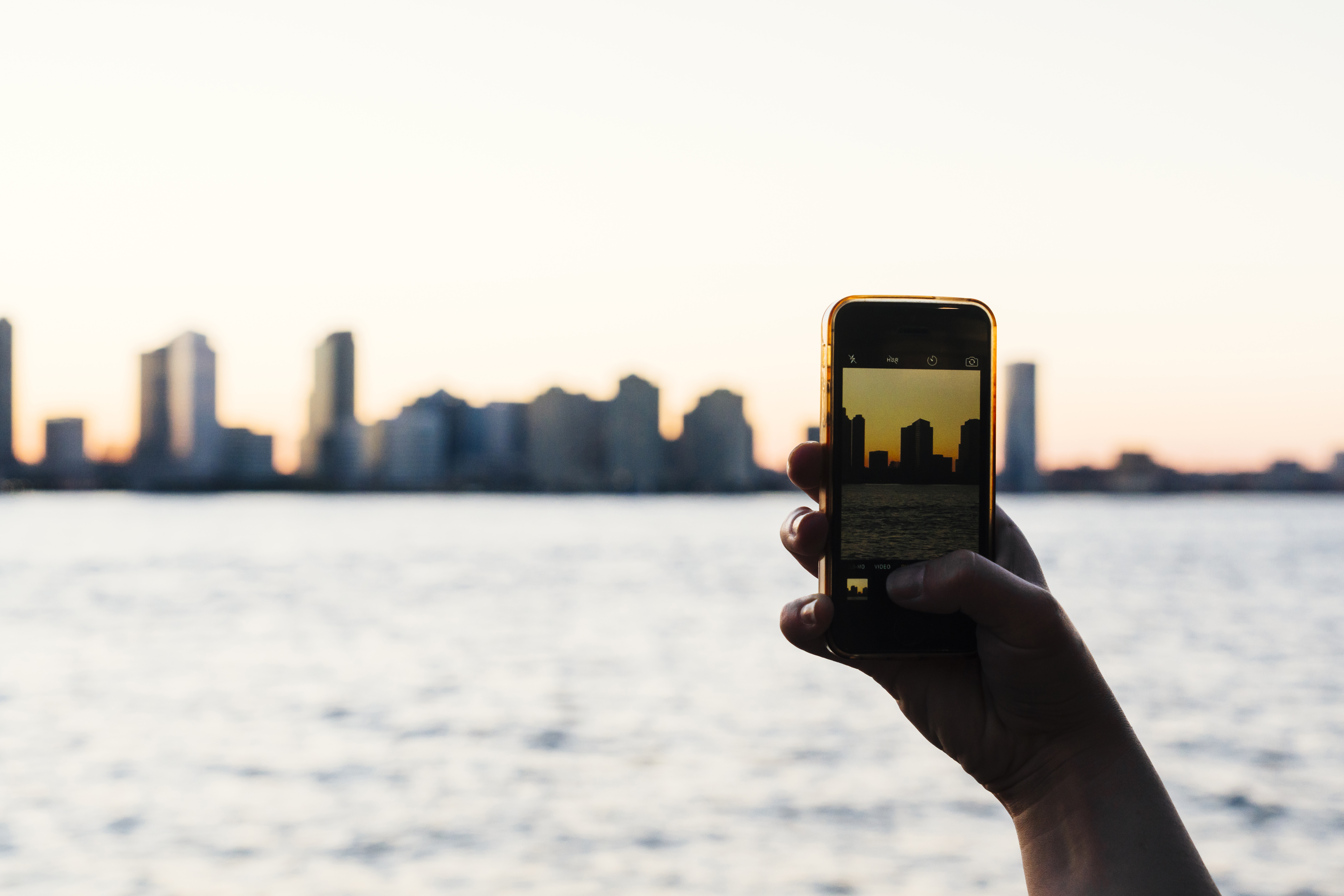
A bilingual social media strategy for Miami hospitality and retail: what actually works Do Miami businesses need a bilingual social media strategy in 2026? Your feed is English‑only, or your Spanish reads like a translation. In Miami, that means you're…

02.09.2026
Brand identity design for restaurants that stays consistent
Brand identity design for restaurants: a practical system to align your logo, menus, signage, and Instagram What is brand identity design for restaurants? Your logo looks sleek, but your menus, signs, and feed feel like strangers at the same table.…